The journal · Longevity
How long do minimal prep veneers last?
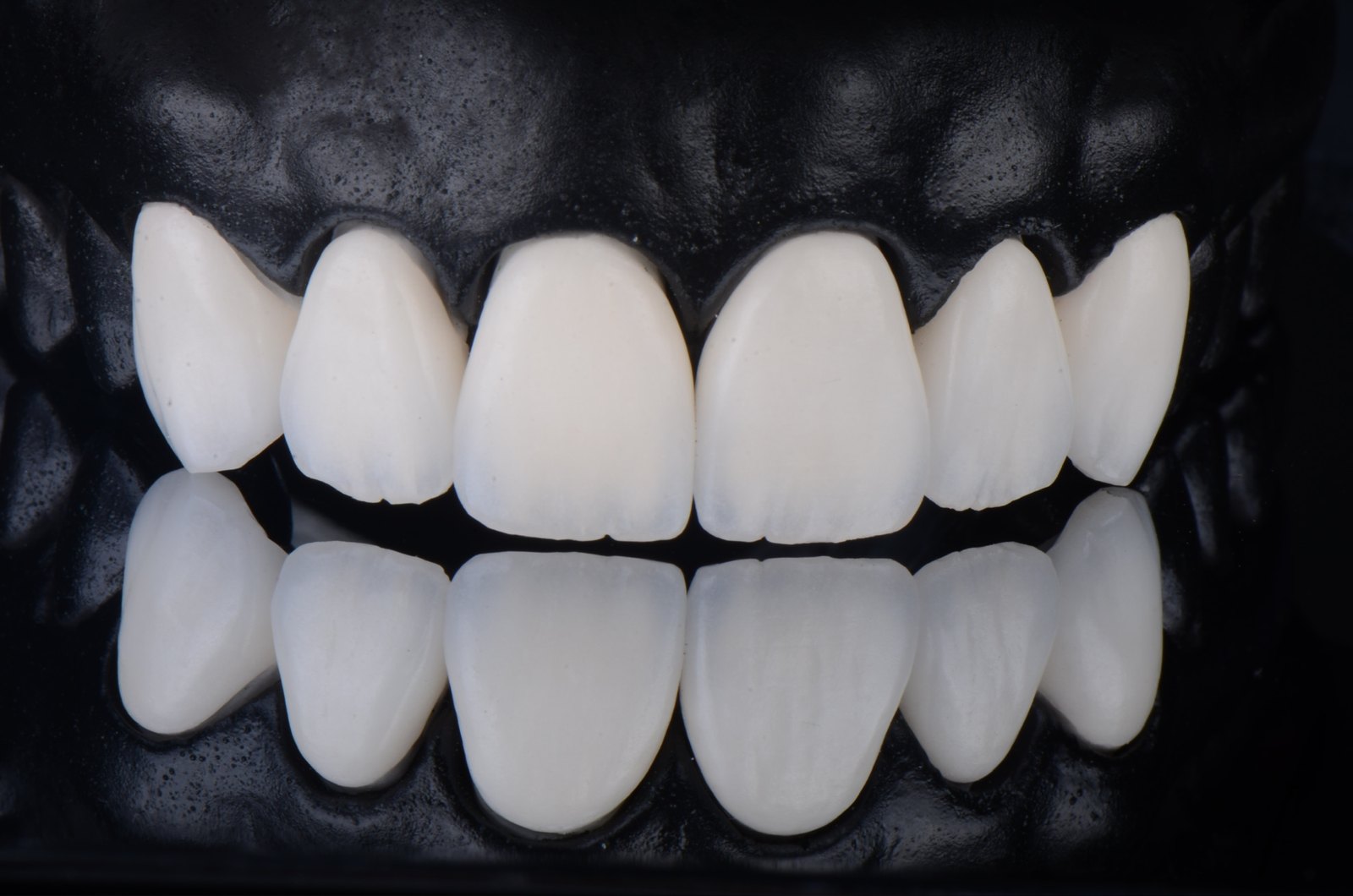
Veneers are an investment, and it's fair to ask what that investment buys in years. The honest answer: well-made porcelain veneers commonly last a decade or more, many far beyond — and the difference between ten years and twenty is decided partly at the design stage, and partly by what happens at home.
Why the enamel bond matters
Here's the part of the longevity story most veneer marketing skips. Porcelain doesn't simply sit on a tooth; it's bonded to it, and the strength of that bond depends on what it's bonded to. Enamel — the hard outer layer of your tooth — accepts that bond more strongly and more predictably than the softer dentin beneath it.
This is where conservative dentistry pays a structural dividend. Traditional preparation sometimes cuts through the enamel into dentin, and veneers bonded partly to dentin carry a somewhat higher long-term risk of debonding. Minimal prep veneers, by definition, keep the bond in enamel. Preserving your tooth structure isn't only the gentler choice — it builds the veneer on the strongest foundation available.
What ends a veneer's life early
Porcelain is remarkably hard, but it shares your mouth with forces that don't care. Night grinding is the leading killer of cosmetic work — patients who clench or grind need a properly made night guard, and I consider it part of the treatment, not an accessory. Using teeth as tools (opening packages, biting nails, chewing ice or pens) chips natural teeth and porcelain alike. Untreated gum recession changes the frame around a veneer over the years. And neglected checkups let small problems at the margins become large ones.
None of this is meant to frighten — it's meant to put longevity in your hands. Patients who protect their investment routinely see their porcelain outlast the ten-year figures quoted online.
Caring for veneers is refreshingly boring
There is no exotic regimen. Brush twice daily with a non-abrasive toothpaste, floss normally — veneered teeth still need it — and keep routine hygiene visits so we can monitor the margins where porcelain meets tooth. If you grind, wear the guard. If you take up boxing, wear a sports guard. That's the entire list.
And if one ever needs replacing?
Nothing in the mouth is guaranteed forever, and an honest practice plans for the decades ahead. Here again the conservative approach protects you: because minimal prep techniques leave your natural tooth essentially intact underneath, a future replacement starts from a healthy foundation rather than a compromised one. The decisions we make on day one are made with year twenty in mind.
Wondering whether your smile suits the conservative approach in the first place? Read our guide to candidacy — or ask in person.
Book a Consultation